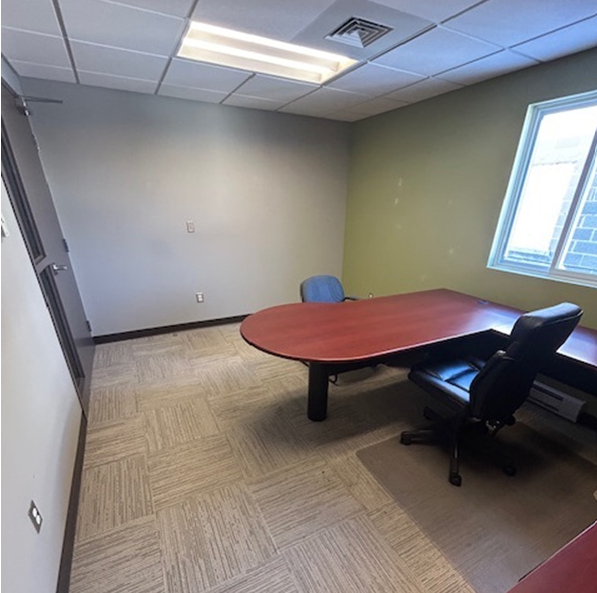
Port North Bay Charts Bold Course

As commercial leases approach expiration and companies rethink their real estate strategies to reduce costs and attract staff back to the workplace, coworking spaces are poised to play a pivotal role in reshaping office utilization
When Port North Bay opened its doors just over two years ago, founder Al McDonald envisioned more than desks and Wi-Fi. He saw a chance to build a community given his 40 years' experience in business and public life as MPP and Mayor. “People were craving connection after the pandemic,” McDonald said. “We wanted to create a space where professionals and entrepreneurs could thrive together, feel supported, welcomed and interact with successful individuals.”
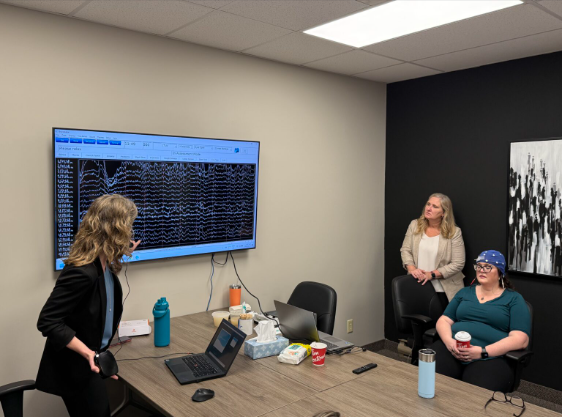
That vision is paying off. At Port North Bay, the emphasis is on personalized, community-first experiences. Members are encouraged to collaborate, share referrals, and support one another. “It’s not just about renting an office,” said one longtime member. “It’s about belonging to something bigger. We are surrounded by dedicated and successful individuals that we see every day and learn from”
As commercial leases approach expiration and companies rethink their real estate strategies, coworking spaces are poised to play a pivotal role in reshaping office utilization. Analysts say the trend is especially strong in Canada’s mid-sized cities, where demand for hybrid models—combining private offices with collaborative areas—is expected to surge.
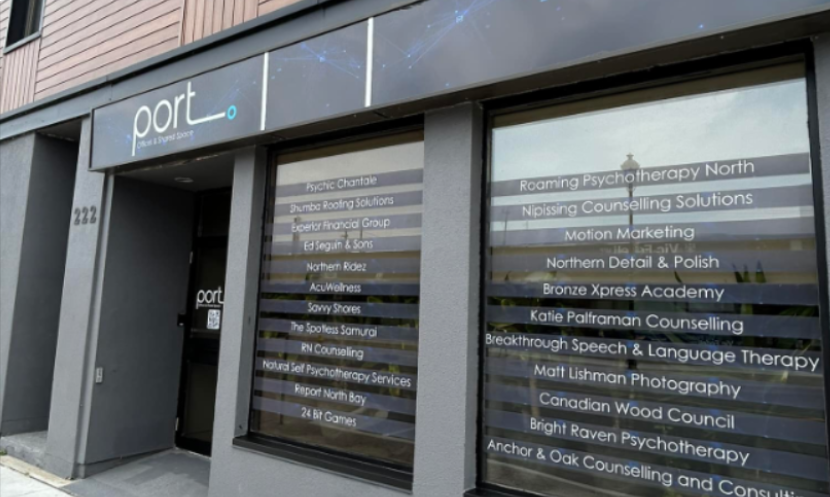
National Outlook Canada’s coworking market is projected to nearly triple from $285 million in 2023 to $893 million by 2030, driven by hybrid work adoption and expansion beyond major cities. Toronto and Vancouver command the highest rates, while Montreal remains more affordable. Secondary cities such as Calgary, Ottawa, and Waterloo are emerging as growth centres.
Global Perspective Worldwide, coworking has evolved from a niche solution for freelancers into a mainstream workplace strategy embraced by startups, SMEs, and large corporations. In 2025, coworking is one of the fastest-growing segments of commercial real estate, fueled by rising property costs, hybrid work, and demand for flexible office solutions. Analysts highlight sustainability, technology integration, and niche communities as defining features of the next wave of coworking spaces.
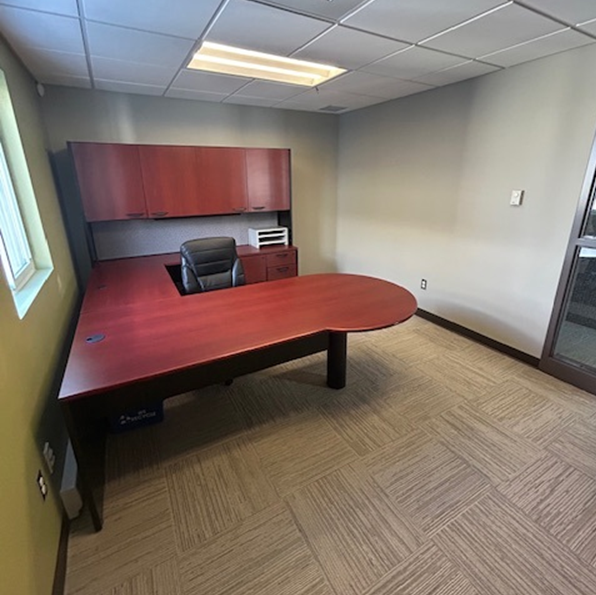
Privacy and Productivity Post-pandemic concerns have amplified demand for private offices. Remote teams and SMEs see them as affordable alternatives to long-term leases, especially when paired with flexible rental terms. “The companies that succeed will be those that double down on their value propositions,” one industry analyst explained. “It’s not just about desks and Wi-Fi anymore—it’s about culture, flexibility, and belonging.”
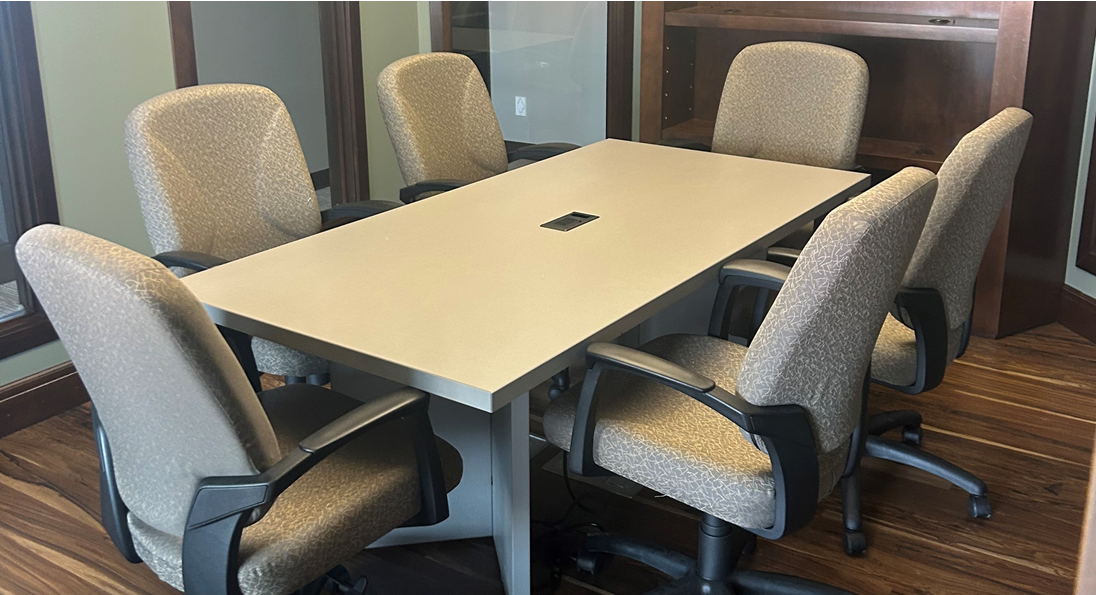
Emerging Trends
- Hybrid Work Models: Blending remote and in-person collaboration.
- Technology Integration: High-speed internet, video conferencing, and smart office systems.
- Sustainability: Eco-friendly design and operations shaping new developments.
- Niche Markets: Spaces tailored to creative professionals, startups, and wellness communities.
- Community Engagement: Networking and collaboration as key differentiators.
With Canada’s coworking market set to triple in size and global trends reinforcing the shift toward flexible, community-driven workspaces, Port North Bay is well-positioned to innovate and adapt. The next chapter of growth will be defined not only by space, but by the strength of the communities built within them.
The Port North Bay website www.portnorthbay.ca
For more information contact info@portnorthbay.ca
Port North Bay is on Instagram at Port Co working
Port North Bay is on Facebook at Port North Bay
Port North Bay LinkedIn at Port North Bay