Protecting Drivers on Highway 11/17 Corridor
Province investing in increased enforcement to enhance safety across northern highways to keep goods and people moving safely
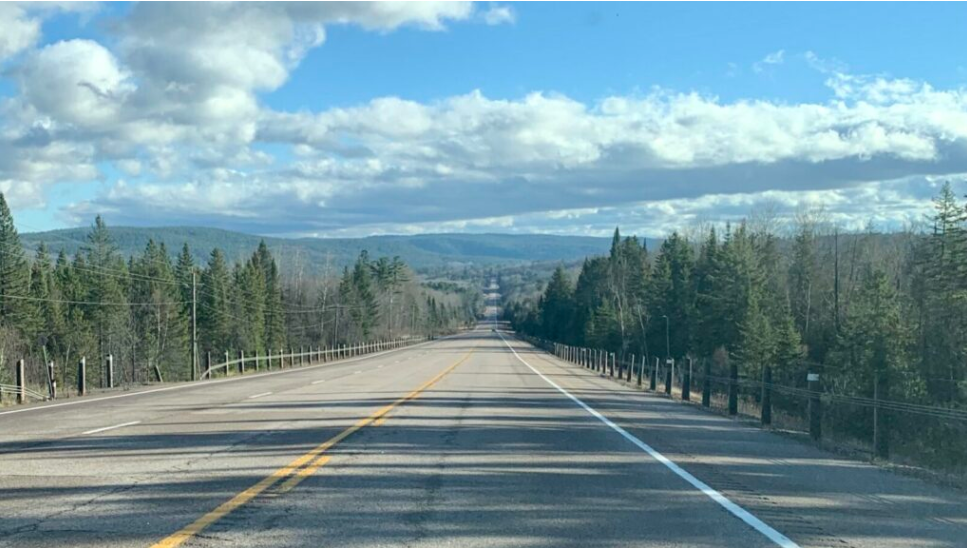
The Ontario government is taking action to improve safety on the Highway 11/17 corridor by advancing road enhancement projects and cracking down on dangerous driving. Highways 11 and 17 form a key part of the Trans-Canada network, supporting supply chains, economic growth and access to jobs and services across the North. As part of its plan to protect Ontario, the government is continuing to invest in critical highway infrastructure to ensure people can safely and efficiently access essential goods and services, while building stronger, more resilient and self-reliant communities across the North.

“Our government is keenly aware how important safe roads, bridges and highways are to the residents, visitors and businesses in the North who rely on them daily,” said George Pirie, Minister of Northern Economic Development and Growth. “That is why we are taking action to improve safety, increase enforcement and make targeted investments that will keep people safe and goods moving, while strengthening connections between northern and remote communities.”
The province is making the Highway 11/17 corridor safer by:
- Increasing the number of Transportation Enforcement Officers in Northern Ontario.
- Expanding enforcement blitzes along the Highway 11/17 corridor between truck inspection stations to ensure trucks are safe and drivers follow the rules of the road.
- Deploying two mobile inspection support units in spring 2026 to increase truck enforcement along the Highway 11/17 corridor.
- Launching procurement in spring 2026 to rebuild the Hearst truck inspection station and replace the weigh scale.
- Improving and upgrading highway signage for better visibility.
- Installing new portable variable messaging signs to provide better safety information to drivers about weather conditions and closures.
- Advancing preliminary design work to expand Highway 11/17 between Thunder Bay and Shabaqua, including scheduling a public meeting in spring 2026.
- Upgrading the provincial rest area network in Northern Ontario to provide more year-round truck parking and working with municipal and business partners to expand capacity, including a new service hub facility in Matheson that will allow more trucks to pull off safely during winter storms.
- Continuing to work with stakeholder groups, including the Federation of Northern Ontario Municipalities, the Northwestern Ontario Municipal Association and the Ontario Road Builders’ Association on further improvements.
“Highways 11 and 17 are lifelines for Northern Ontario, and we’re making them safer and more reliable by cracking down on dangerous driving, strengthening enforcement and investing in new safety measures that keep people and goods moving,” said Prabmeet Sarkaria, Minister of Transportation. “Under the leadership of Premier Ford, our government is working to protect Ontario drivers, fuel our economy and ensure northern communities stay connected year-round.”
The Ontario government is delivering increased enforcement, education and safety upgrades along critical northern links like Highways 11 and 17 and will continue to move forward with the investments needed to enhance northern communities. In 2025-26, Ontario is investing nearly $583 million through the Northern Highways Program, including $481 million for rehabilitation projects and almost $102 million for expansion projects, to improve road safety, reduce congestion and support economic growth across Northern Ontario.
Ontario will continue to work with its partners and local communities to determine areas where rehabilitation or upgrades are required to deliver highway infrastructure improvements that are needed to support growing communities and a stronger, more resilient economy.
Quick Facts
- The Northern Ontario highway system includes 10,775 kilometres, roughly 60 per cent of the provincial highway network.
- As part of the “ON Trans-Canada” standard, the Ministry of Transportation is clearing Highways 11 and 17 in Northern Ontario faster after a winter storm with a standard that requires contractors to clear highways to bare pavement within 12 hours of the end of a winter storm, four hours faster than the previous standard.
- The Ontario government has recently marked several milestones to support the return of the Northlander, including acquiring more railway between North Bay and Washago, celebrating the arrival of the first Northlander trainset, completing more than $100 million in Northlander rail infrastructure upgrades and finishing construction of the North Bay Rail Bypass. Once complete, the Northlander will travel 740 kilometres between Timmins and Toronto, with a rail connection to Cochrane, for a total of 16 stops.